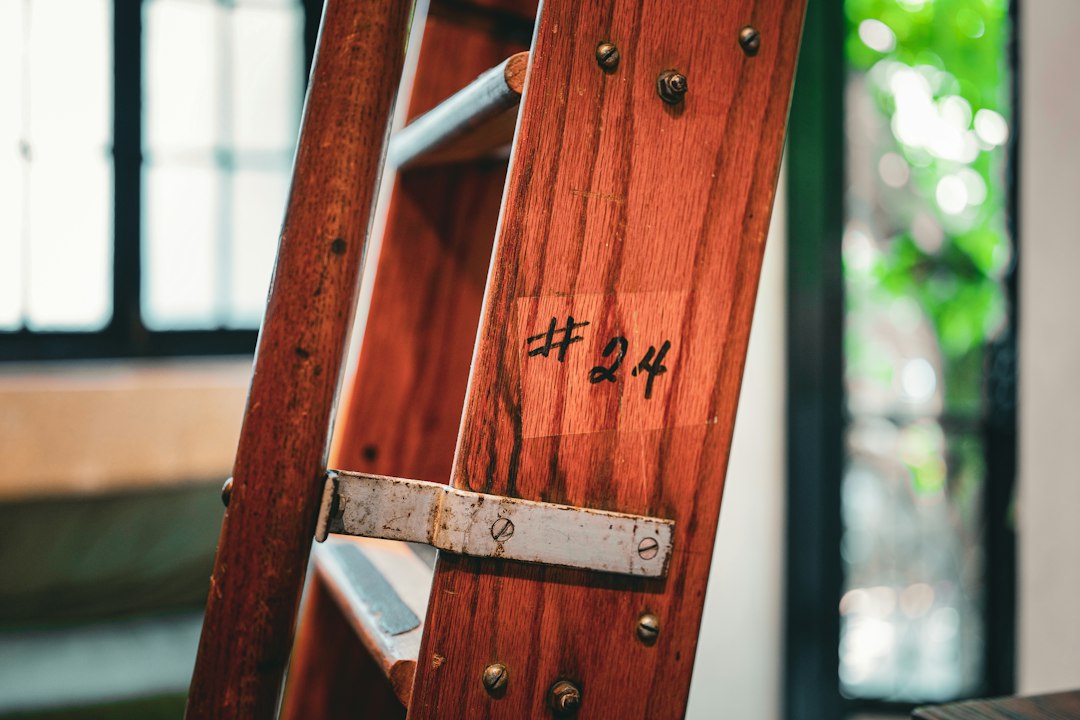
Selecting the right material for your loft access matters more than most homeowners realize. Wood remains a favorite choice for staircases leading to attic spaces because it blends warmth with dependable performance. A wooden loft ladder brings a timeless character to any home while offering the sturdiness needed for regular use, and choosing the right timber species makes all the difference in how well that ladder performs over the years. From oak to pine to spruce, each wood type offers a distinct balance of strength, weight, and finish quality that influences both safety and style.
What types of wood work best for loft ladders?
Pine is widely used because it is lightweight yet sturdy enough to support regular foot traffic. Spruce offers similar benefits, with a smooth grain that takes stains and varnishes beautifully. Oak, though heavier, is prized for its exceptional strength and natural resistance to wear, making it a long-term investment for homeowners who want a ladder that lasts for generations. Birch plywood is another option, often chosen for its layered strength and resistance to warping in varying humidity levels.
How does timber choice affect strength and safety?
The structural integrity of a loft ladder depends heavily on the grain quality and density of the wood used. Straight-grained timber distributes weight more evenly across the rungs and frame, reducing the risk of cracking or sagging over time. Hardwoods like oak naturally handle heavier loads with less flex, while softer woods such as pine require careful treatment and reinforcement to maintain the same level of reliability. A well-constructed ladder, regardless of species, should feel stable underfoot and show no excessive bounce or wobble when extended.
Why does the finish matter for durability?
A quality finish does more than enhance appearance. Varnish and sealant layers protect wood from moisture absorption, which is especially important in attic spaces where temperature and humidity fluctuate throughout the year. Untreated or poorly finished wood is more susceptible to swelling, splitting, and eventual structural weakening. Choosing a ladder with a properly sealed surface helps prevent these issues while keeping the natural grain visible and attractive.
What maintenance keeps a wooden ladder durable long-term?
Routine care extends the lifespan of any timber ladder significantly. Wiping down surfaces to remove dust, checking hinges and locking mechanisms, and reapplying varnish when the finish begins to dull are simple habits that preserve both function and appearance. Storing the ladder in a dry, temperature-stable environment also reduces the likelihood of warping.
Finding the right balance between style and strength
A wooden loft ladder offers a rare combination of classic aesthetics and dependable function. Homeowners who prioritize careful timber selection, proper finishing, and consistent maintenance can expect a ladder that remains both attractive and structurally sound for years. When upgrading or installing a loft ladder, taking time to evaluate wood quality and craftsmanship pays off in long-term reliability and everyday ease of use.
Key Points
- Wood is a favored choice for loft ladders due to its warmth and dependable performance.
- Pine is commonly used for its lightweight yet sturdy nature, while spruce provides a smooth grain suitable for staining.
- Oak is valued for its strength and resistance to wear, making it a durable option for long-term use.
- The structural integrity of a loft ladder is influenced by the grain quality and density of the wood, with straight-grained timber offering better weight distribution.
- Quality finishes, such as varnish and sealants, protect wood from moisture and prevent structural weakening.
- Routine maintenance, including cleaning, checking mechanisms, and reapplying finish, is crucial for extending the lifespan of wooden ladders.